+86 15303735673
 Jessica@frpzs.com
 Technical Data


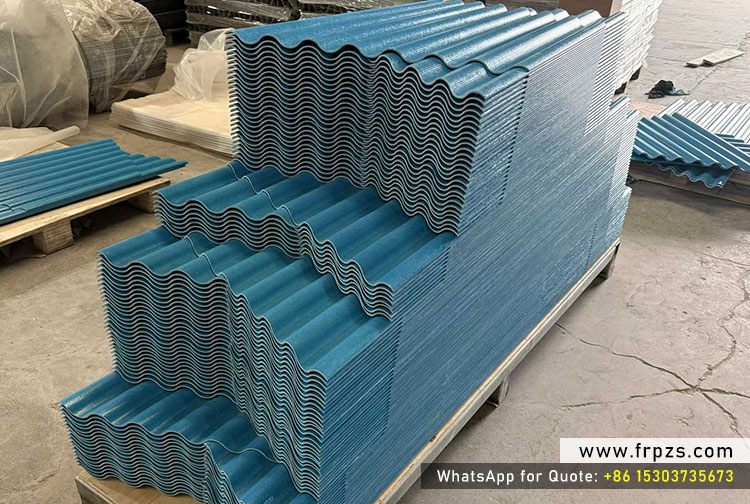
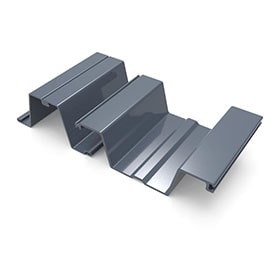
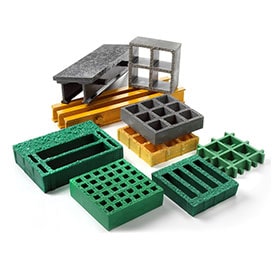
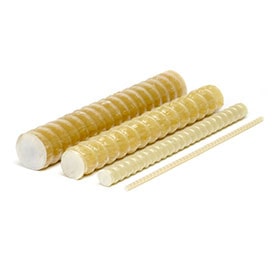
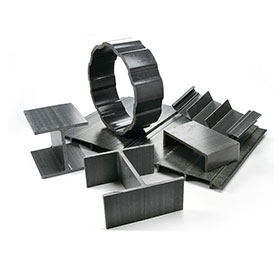
glass fiber reinforced plastics roof
Modern industrial infrastructure engineering frequently collides with severe material degradation bottlenecks. In high-salinity marine docking facilities, chemical pickling bays, and high-voltage power grids, conventional structural profiles fabricated from carbon steel, anodized aluminum, and treated wood undergo catastrophic decay. Galvanized elements suffer from continuous scaling rust and chemical stress cracking, while basic plastics warp or experience environmental stress freezing under Alpine winters. These persistent material failures induce massive structural thinning, hazardous tracking failures, and escalating operational maintenance deficits worldwide.
Micro-Architecture & Molecular Key Performance
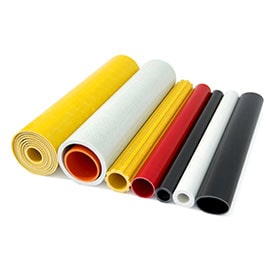
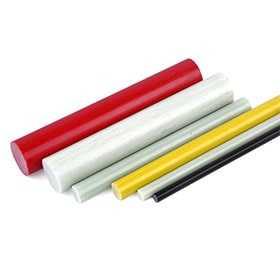
To permanently eradicate these infrastructure vulnerabilities, Zhongsheng precision-engineers high-performance glass fiber reinforced plastics (internationally designated as GFRP matrix profiles). Manufactured via our automated high-speed continuous thermal pultrusion line sequence, this advanced structural material locks thousands of high-density E-glass fiber rovings and multidirectional mat layers deep within chemically cross-linked thermosetting polymer matrices. This precise micro-architecture configuration distributes mechanical loading evenly across both major and minor axes, yielding magnificent flexural modulus values and monumental longitudinal tensile capacity that comfortably matches structural steel.
- Isophthalic Polyester Base Matrix: Engineered specifically for commercial weatherproofing, industrial safety walkway enclosures, and standard structural frameworks.
- Premium Vinyl Ester Resin Core: Tailored exclusively for extreme corrosive chemical containment basins, intensive sulfuric acid splashes, and coastal saltwater immersion.
- Advanced Polyurethane Composite Array: Formulated for elite heavy vehicle loading, ultra-high spanning capacity, and monumental longitudinal shear resistance under dynamic vibrations.
Technical Properties & Mechanical Weight Matrix
The technical evaluation schema below showcases the physical, thermal, and electromechanical parameters calibrated across our standardized pultruded structural configurations. Our in-house tooling workshop supports comprehensive open-die micro-precision pultrusion dies customization to match your design drawings perfectly.
| Structural Performance Parameter | Testing Standard | Polyester Matrix | Vinyl Ester Core | Polyurethane Array |
|---|---|---|---|---|
| Longitudinal Tensile Rigidity | ASTM D638 | ≥ 300 MPa | ≥ 350 MPa | ≥ 650 MPa |
| Flexural Modulus Index | ASTM D790 | ≥ 23 GPa | ≥ 25 GPa | ≥ 38 GPa |
| Dielectric Arc Resistance | ASTM D149 | ≥ 12 KV/mm | ≥ 15 KV/mm | ≥ 15 KV/mm |
| Flame Retardant Rating | UL 94 | UL94 V-0 Options | Self-Extinguishing | Custom Tailored V-0 |
Field Implementation Engineering & Installation Quality Control
Deploying advanced glass fiber reinforced plastics drastically simplifies construction logistics. Weighing up to 75% less than structural steel, our lightweight custom profiles completely eliminate the need for heavy field cranes or complex rigging machinery during onsite assembly. For field cutting, trimming, and connection drilling, installation crews do not require specialized torch welding setups; they can smoothly utilize standard portable masonry saws, twisted carbide drill bits, and diamond-coated abrasive wheels.
Because the thermosetting polymer matrix is thoroughly polymerized, micro-precision drilling and interlocking connection bolting can be executed flawlessly with zero risk of interlaminar delamination or face splitting. To lock the structural integrity for multi-decade deployments under intense relative humidity or road deicing brine, we supply specialized field-applied edge sealing kits that preserve a 100% uniform barrier across all cut faces.
Technical Summary & Engineering Data
Executive Summary: Zhongsheng advanced glass fiber reinforced plastics (internationally designated as GFRP matrix profiles) are high-performance structural composite solutions precision-engineered to permanently overcome the severe degradation, scaling rust, and catastrophic fatigue bottlenecks associated with traditional carbon steel, aluminum, and timber across global heavy industrial infrastructure. Utilizing an automated high-speed continuous thermal pultrusion line sequence, this advanced material cross-links thousands of high-density E-glass fiber rovings and multidirectional mat layers within premium thermosophthalic polyester, vinyl ester, or polyurethane thermosetting matrices. This precise micro-architecture configuration yields monumental longitudinal tensile capacity and excellent flexural modulus values that fully comply with strict EN 13706 specifications. Being ultra-lightweight, completely non-conductive, and immune to road deicing brines and aggressive chemical splashes, these zero-maintenance pultruded structural configurations completely eliminate dangerous thermal bridging and hazardous electrical tracking. Available in micro-calibrated custom profiles and customizable lamination wall thicknesses, they serve as the definitive global engineering standard for modern smart grids, corrosive chemical containment, and marine decking support systems worldwide.
| Advanced Material Science Parameters | Zhongsheng Premium GFRP Profiles | Structural Alloy Steel (S355JR) | Extruded Aluminum (6061-T6) |
|---|---|---|---|
| Longitudinal Elastic Modulus (GPa) | 23 - 38 GPa (High glass volume fraction) | ~ 210 GPa (Extremely Heavy) | ~ 70 GPa |
| Chemical, Saltwater & Brine Barrier | 100% Total Immunity (Zero oxidation) | Poor (Prone to continuous rust thin-out) | Moderate (Severe galvanic pitting risk) |
| Dielectric Insulation Properties | Excellent Breakdown Resistance (≥15 KV/mm) | Highly Conductive (Severe arc hazard) | Highly Conductive (Severe arc hazard) |
| Material Density Ratio (Steel = 100%) | Approx. 25% (Ultra-Lightweight) | 100% (High logistics & crane overhead) | Approx. 35% |
| 30-Year Lifespan Structural Cost | Absolute Zero Maintenance (Highest ROI) | Extremely High (Continuous zinc coating) | High (Frequent replacement in acid bays) |
Engineering Q&A
Q1: How does the micro-architecture of glass fiber reinforced plastics mitigate micro-cracking propagation under continuous stress?
A1: Traditional homogenous metals exhibit linear crack propagation under fatigue, leading to catastrophic failure. Zhongsheng engineered glass fiber reinforced plastics utilize a high-density matrix configuration that arrests internal strain. When an industrial structural profile is subjected to intense cyclic mechanical loading, the interwoven multidirectional mat layers and continuous roving filaments serve as discrete energy dissipation boundaries. This advanced composite configuration completely arrests microscopic crack growth across both horizontal axes, safeguarding structural integrity over decades of deployment alongside complementary shapes from our premium pultruded fiberglass profiles selection.
Q2: What is the significance of glass fiber volume fraction management during the continuous pultrusion sequence?
A2: The fiber-to-resin ratio dictates the absolute flexural rigidity and longitudinal tensile capacity of any gfrp structural profile. Commodity producers often starve the resin bath or lower roving counts to cut costs, creating weak, porous sections prone to internal delamination. Zhongsheng utilizes an automated continuous manufacturing layout that locks the glass volume fraction precisely up to 70% for our polyurethane base runs. This extreme density consolidation ensures a monumental modulus of elasticity that easily bears heavy vehicle loading grids and extreme structural spans.
Q3: How do pultruded structural configurations satisfy EN 13706 clear span deflection profiles?
A3: International civil engineering codes require definitive load-to-deflection ratios. Our advanced-engineered composite structural profiles are manufactured to comfortably meet or exceed EN 13706 Class E23 specifications. This guarantees a verified longitudinal flexural modulus of at least 23 GPa. Under standard uniform design pressures, the structural center deflection profiles remain well within the strict structural ceiling of L/200 over high spans, allowing design consultants to confidently increase beam spacing and optimize project spatial budgets.
Q4: What are the chemical immersion limits of your premium vinyl ester core composites inside acid pickling bays?
A4: While traditional structural stainless steel 316 experiences pitting corrosion and stress cracking within dense acid environments, our premium-grade glass fiber reinforced plastics provide a 100% total chemical corrosion barrier. When cross-linked with high-end Vinyl Ester resin matrices through our micro-precision pultrusion dies, the material exhibits near-zero weight thin-out or mechanical degradation under continuous immersion in high-concentration sulfuric acid splashes, caustic alkalis, and gaseous sulfide plumes for over 30 years.
Q5: What field connection bolting and torque preload limits must be adjusted when assembling GFRP hollow profiles?
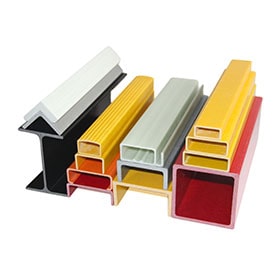
A5: Field implementation engineering with polymer composites requires a slight shift from standard ironworking practices. Because our gfrp structural shapes possess magnificent compressive strength but lower localized bearing shear modulus compared to carbon steel, field crews should utilize washers to distribute high flange clamping pressures evenly. When executing interlocking mechanical joints with high-tensile steel bolts, torque preload values should be micro-calibrated per our technical manuals to prevent micro-fracturing around holes. Please contact our product development office to align your technical blueprints with our vast wholesale catalog of customized structural shapes and premium pultruded fiberglass profiles.